


Introduction
Marriage in India is considered both a sacred and legal institution. It is built on companionship, emotional bonding, and mutual responsibility between spouses. However, when conflicts arise and one partner leaves the matrimonial home without justification, the legal system provides remedies to address such breakdowns in marital life.
One such important legal remedy is provided under section 9 hindu marriage act, which deals with restitution of conjugal rights. This provision allows a spouse to approach the court when the other spouse has withdrawn from marital society without reasonable cause.
Unlike divorce or separation laws, this provision focuses on restoring the relationship rather than ending it. It encourages reconciliation and aims to bring spouses back together under judicial supervision. However, it has also been debated for its impact on personal liberty and privacy.
To understand it completely, we must explore its legal meaning, court process, defenses, judicial interpretation, and real-life implications in a structured and simple manner.
Meaning and Legal Concept of Restitution
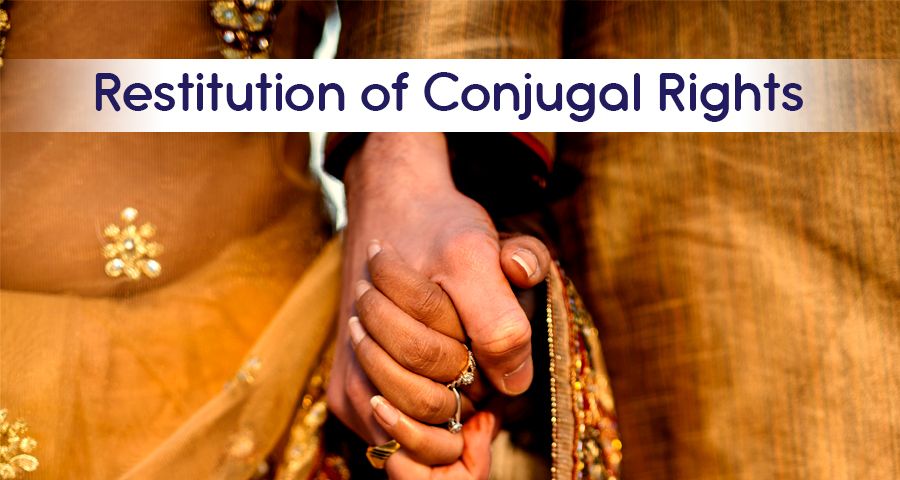
The concept of restitution of conjugal rights refers to a legal remedy where one spouse requests the court to direct the other spouse to resume marital cohabitation. In simple words, it is a request to restore a broken marital relationship.
Under section 9 hindu marriage act, if a husband or wife leaves the other without any reasonable justification, the aggrieved spouse can file a petition in family court. The court then examines whether the withdrawal is valid or not.
If the court finds no valid reason, it may order the spouse to return and resume living together. However, it is important to note that the court cannot physically force cohabitation; it only issues a legal direction.
This provision is based on the principle that marriage is a continuing obligation, and separation should not happen without lawful cause.
Historical and Legal Background
The idea of restitution of conjugal rights is not new. It originated in English matrimonial law and was later adopted into Indian legal systems during colonial times. After independence, it was incorporated into the Hindu Marriage Act, 1955.
The aim behind introducing this provision was to preserve marriage as a social institution. Lawmakers believed that many marriages could be saved through legal intervention and counseling.
Over time, courts in India have interpreted section 9 hindu marriage act in a balanced manner, ensuring that it does not become a tool for harassment but remains a remedy for genuine marital breakdowns.
Conditions for Filing a Petition
A petition can be filed only when specific conditions are satisfied:
- One spouse has left the matrimonial home
- The withdrawal is without valid or reasonable cause
- The petitioner is willing to resume marital life
- No legal separation or divorce decree exists
If these conditions are met, the aggrieved spouse may approach the family court seeking relief.
This legal remedy is not available in cases where separation is justified due to cruelty, abuse, or similar serious grounds.
Procedure Followed in Court Cases
The process of filing and deciding such cases is structured and follows legal steps:
Filing the Petition
The process begins when the affected spouse submits a written petition in family court detailing the facts of separation and requesting restoration of marital life.
Issuing Notice
After filing, the court issues a notice to the respondent spouse, asking them to appear and respond to the allegations.
Submission of Evidence
Both parties are allowed to present evidence, including documents, witness statements, and personal testimonies.
Hearing and Counseling
In many cases, courts encourage counseling sessions to explore the possibility of reconciliation before passing judgment.
Final Decision
After evaluating all facts, the court decides whether the withdrawal was justified or not. If not justified, relief may be granted.
At this stage, the application of section 9 hindu marriage act becomes central to judicial reasoning.
Common Defenses Available to Respondent
A spouse who is accused of withdrawing from the marital relationship can present several defenses:
- Cruelty or mental harassment
- Physical violence or abuse
- Adultery or infidelity
- Threat to life or dignity
- Mutual agreement to live separately
If these defenses are proven, the court may reject the petition.
The burden of proof plays an important role, as both sides must establish their claims with supporting evidence.
Judicial Interpretation and Approach
Indian courts have played a significant role in shaping the interpretation of this provision. Initially, some courts questioned its constitutionality, but later Supreme Court rulings upheld its validity.
The judiciary has consistently emphasized that marriage is a social bond and should be preserved whenever possible. However, courts also recognize that personal liberty cannot be ignored.
Over time, the application of section 9 hindu marriage act has become more balanced, focusing on counseling and mediation rather than strict enforcement.
Courts now ensure that orders are not misused for harassment or coercion.
Comparison of Legal Remedies in Marriage Disputes
Below is a simple comparison between different matrimonial remedies:
| Legal Remedy | Purpose | Outcome | Nature |
|---|---|---|---|
| Restitution of Conjugal Rights | Restore cohabitation | Court orders reunion | Reconciliatory |
| Judicial Separation | Temporary separation | No cohabitation required | Protective |
| Divorce | Permanent dissolution | Marriage ends legally | Final remedy |
| Annulment | Declare marriage void | Marriage treated invalid | Nullification |
This table shows how section 9 hindu marriage act differs from other matrimonial remedies, focusing mainly on reconciliation.
Constitutional Validity and Debates
One of the most debated aspects of this provision is its compatibility with fundamental rights. Critics argue that it may violate:
- Right to privacy
- Right to personal liberty
- Right to dignity
However, courts have held that the provision does not force physical cohabitation. Instead, it provides a legal framework for reconciliation.
Thus, the provision has been upheld as constitutionally valid, provided it is applied fairly.
Role of Family Courts in Such Cases
Family courts are specially designed to handle matrimonial disputes. Their approach is more humane and less formal compared to other courts.
They often:
- Encourage mediation
- Conduct counseling sessions
- Promote amicable settlements
- Avoid unnecessary litigation
In cases under section 9 hindu marriage act, family courts focus heavily on emotional reconciliation rather than strict legal enforcement.
Misuse and Criticism of the Provision
Although the law aims to preserve marriage, it has faced criticism for potential misuse. Some common concerns include:
- Using petitions as a pressure tactic
- Delaying divorce proceedings
- Emotional harassment of spouse
- Property or financial disputes hidden behind claims
Despite these concerns, courts carefully evaluate each case to prevent misuse and ensure justice.
Real-Life Practical Scenario
Consider a situation where a wife leaves her husband’s home due to misunderstandings but without any serious reason like abuse or cruelty. The husband may file a petition seeking restoration of marital life.
The court will examine the situation, listen to both sides, and decide whether the separation was justified. If not, the court may direct reconciliation efforts.
This real-life application shows how section 9 hindu marriage act functions in everyday disputes.
Important Judicial Observations
Courts have made several important observations:
- Marriage should not be broken without strong reasons
- Reconciliation should always be attempted first
- Legal remedies should not become tools of harassment
- Emotional well-being of both spouses must be considered
These principles guide judicial decision-making in matrimonial cases.
Social and Emotional Impact of Such Cases
Matrimonial disputes are not just legal issues; they deeply affect families emotionally and socially.
Common impacts include:
- Emotional stress on spouses
- Negative impact on children
- Social stigma in community
- Financial instability
Because of these factors, courts prefer reconciliation over separation whenever possible.
Courts do not enforce physical cohabitation. Even after a decree, both spouses retain personal liberty, and enforcement is indirect through legal consequences.
FAQs
1. What is the main purpose of this provision?
It aims to restore broken marital relationships through legal intervention and reconciliation.
2. Can a spouse be forced to live together?
No, courts cannot physically force cohabitation; they can only issue legal orders.
3. Is this provision still valid today?
Yes, it is constitutionally valid and actively used in family courts.
4. Can it be used in divorce cases?
Yes, refusal to comply may later become a ground for divorce.
5. Is counseling mandatory?
In many cases, courts encourage or require counseling before final judgment.
Conclusion
Marriage disputes are sensitive and require careful handling by both legal systems and families. The provision under section 9 hindu marriage act serves as a bridge between separation and reconciliation.
It allows spouses to seek legal intervention when one partner withdraws without justification. However, courts ensure that this remedy is not misused and always respect individual dignity and freedom.
While it may not solve every marital conflict, it plays a significant role in encouraging dialogue, reducing unnecessary divorces, and preserving the institution of marriage.
Understanding this provision helps individuals make informed decisions and approach legal remedies wisely. In the end, the law seeks balance—protecting both the sanctity of marriage and the rights of individuals.
Read More:-Maintenance Rights Explained Under Hindu Marriage Law Section 24 A