


Introduction
Marriage in India is not just a cultural tradition but also a legally protected institution that defines rights, responsibilities, and obligations between two individuals. It plays a crucial role in shaping family structure, property relations, and social identity. Over time, Indian law has evolved to regulate marriage more effectively, ensuring equality and justice for both spouses.
The legal system governing Hindu marriages is one of the most important personal law frameworks in the country. It sets clear rules for marriage validity, ceremonies, separation, and legal remedies in case of disputes. One of the most significant codified laws in this area is the hindu marriage act, which forms the backbone of Hindu matrimonial law in India.
This article provides a complete, human-friendly explanation of marriage laws in India, covering everything from eligibility conditions to divorce, maintenance, custody, and legal rights.
Understanding the Legal Meaning of Marriage in India
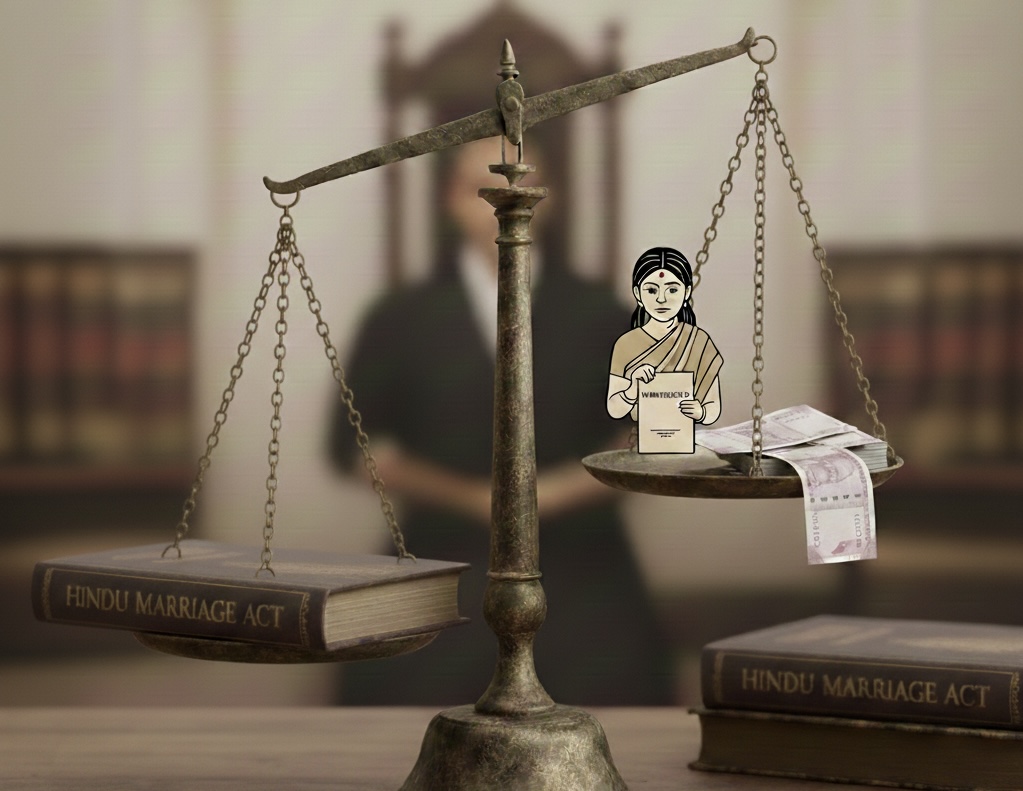
Marriage under Indian law is considered a civil contract as well as a social institution. It creates a legally recognized relationship between two individuals that comes with mutual rights and duties.
In traditional Indian society, marriage was primarily governed by customs and religious rituals. However, modern law introduced structured rules to bring uniformity and legal clarity. These rules ensure that marriage is not only socially accepted but also legally enforceable.
The introduction of the hindu marriage act was a major step in codifying marriage laws for Hindus, Buddhists, Jains, and Sikhs. It standardized conditions for marriage and provided a legal mechanism for divorce and separation.
Historical Evolution of Marriage Laws in India
Before modern legislation, Hindu marriages were governed entirely by religious customs and ancient texts. There was no uniform legal system, which often led to inconsistencies in marriage validity and property rights.
After independence, India introduced major legal reforms to regulate personal laws. The goal was to ensure equality, especially for women, and to reduce ambiguity in marital disputes.
The codification of the hindu marriage act in 1955 was a landmark reform. It replaced fragmented customs with a structured legal framework that defined marriage conditions, rights, and remedies. Over time, amendments strengthened women’s rights, improved divorce procedures, and introduced legal safeguards for children and spouses.
Eligibility Conditions for a Valid Marriage
For a marriage to be legally valid in India, certain essential conditions must be met. These conditions ensure that the marriage is voluntary, lawful, and socially acceptable.
Both parties must meet the minimum legal age requirement, where the groom must be at least 21 years old and the bride must be at least 18 years old. This rule prevents child marriages and ensures maturity.
Consent is another critical factor. Both individuals must agree freely without any coercion, fraud, or undue influence. Mental capacity is also important, meaning both parties should be capable of understanding the nature of marriage.
Additionally, neither party should have a living spouse at the time of marriage. The relationship should not fall within prohibited degrees of kinship unless permitted by custom.
These conditions are essential to ensure that marriage is valid under Indian law and recognized by courts.
Legal Framework Governing Marriage in India
Marriage laws in India vary depending on religion and personal beliefs. However, the structure for Hindu marriages is largely governed by codified statutory law.
The legal framework ensures that marriage is not just a ritual but a binding legal relationship. It also provides remedies in case of disputes such as divorce, maintenance, and custody.
The hindu marriage act plays a central role in regulating Hindu marriages by defining rules for solemnization, registration, and dissolution. It ensures uniformity across different regions and cultural practices while respecting traditional ceremonies.
Solemnization and Validity of Marriage
Marriage solemnization refers to the formal ceremony through which a marriage becomes legally valid. In India, this can involve religious rituals, civil procedures, or both.
The presence of witnesses is important for legal validation. A marriage becomes legally recognized when it fulfills both ceremonial and legal requirements.
Registration of marriage is highly recommended as it provides official proof. This becomes essential in legal disputes, inheritance claims, and documentation processes.
Under the framework of the hindu marriage act, a marriage is considered valid when it is properly solemnized according to prescribed conditions and supported by required documentation.
Marriage Registration and Legal Importance
Marriage registration is an official process that records the marriage in government records. It serves as legal proof of marriage and helps prevent disputes.
Registration is useful in many situations such as applying for visas, opening joint bank accounts, claiming inheritance, or resolving legal conflicts.
Documents generally required include identity proof, age proof, photographs, and marriage ceremony details. The process is conducted at local registrar offices.
Although traditional ceremonies remain important, legal registration provides additional protection and recognition under law.
Rights and Duties of Married Partners
Marriage creates a system of mutual rights and responsibilities between spouses. Both partners are expected to support each other emotionally, financially, and socially.
Rights include the right to cohabitation, maintenance, inheritance, and protection from abuse. Duties include mutual respect, financial support, and care for children.
These rights ensure equality and fairness in marital relationships. Courts often intervene when one partner violates these obligations.
The legal framework ensures that both spouses are treated equally and protected under Indian law.
Property Rights and Financial Security
Marriage also affects financial and property rights between spouses. Depending on the circumstances, both partners may have claims over joint or individual assets.
Property acquired during marriage may be subject to shared ownership in certain cases. Inheritance rights also play a major role in determining financial security.
Maintenance obligations ensure that a financially dependent spouse is supported after separation or divorce. Courts carefully evaluate income, lifestyle, and responsibilities before deciding financial support.
| Aspect | Legal Effect |
|---|---|
| Joint Property | Shared ownership possible |
| Inheritance | Spouse has legal claim |
| Maintenance | Financial support after separation |
| Individual Property | Remains with original owner |
This structure ensures financial fairness and stability in marital relationships.
Divorce and Legal Separation Process

Marriage may end due to various reasons such as incompatibility, cruelty, or mutual consent. Divorce is the legal process that formally dissolves a marriage.
A major legal foundation for divorce procedures is the hindu marriage act, which defines grounds and procedures for ending a marriage.
Divorce can be mutual or contested. Mutual consent divorce is simpler and faster, while contested divorce involves court hearings and evidence submission.
Courts carefully evaluate reasons before granting divorce to ensure fairness for both parties.
Types of Divorce in India
Divorce laws in India recognize two primary forms of separation.
Mutual consent divorce occurs when both spouses agree to end the marriage peacefully. It is less time-consuming and involves minimal legal conflict.
Contested divorce happens when one partner seeks divorce without the agreement of the other. This process requires legal arguments, evidence, and multiple hearings.
Both types ensure that legal procedures are followed properly before marriage is dissolved.
Maintenance and Financial Support After Separation
Maintenance refers to financial assistance provided to a spouse after separation or divorce. It ensures that the financially weaker partner is not left without support.
Courts consider several factors such as income, lifestyle, and responsibilities before deciding maintenance amounts.
This financial support can be temporary or permanent depending on the situation. It plays an important role in ensuring economic justice in marriage disputes.
Child Custody and Welfare Considerations
When a couple separates, child custody becomes one of the most sensitive legal issues. Courts always prioritize the welfare of the child above everything else.
Factors considered include emotional bonding, financial stability, education, and moral upbringing.
Custody may be physical, legal, or joint depending on the situation. Courts ensure that children receive proper care and stability despite parental separation.
Common Marriage Disputes in India
Marriage-related disputes often arise due to misunderstandings, financial issues, or emotional conflicts. Common disputes include domestic violence, property conflicts, maintenance claims, and custody battles.
Legal intervention helps resolve these issues in a structured and fair manner. Courts aim to protect both parties while ensuring justice.
Proper legal awareness can prevent many of these conflicts from escalating into serious disputes.
Importance of Legal Awareness in Marriage
Understanding marriage laws helps individuals protect their rights and avoid legal complications. Many disputes occur due to lack of awareness about legal procedures.
Being informed helps in smoother marriage registration, better financial planning, and effective dispute resolution.
Legal awareness also strengthens relationships by reducing misunderstandings and ensuring transparency between partners.
Frequently Asked Questions (FAQs)
1. Is marriage legally required to be registered in India?
Registration is not always mandatory but highly recommended for legal proof and documentation.
2. Can inter-religion marriages be legally performed?
Yes, inter-religion marriages are allowed under civil law provisions.
3. What are the main grounds for divorce?
Cruelty, adultery, desertion, and mutual consent are common grounds.
4. Who decides child custody in divorce cases?
Family courts decide custody based on the child’s best interests.
5. Is financial support mandatory after divorce?
Courts may grant maintenance depending on financial dependency and circumstances.
Conclusion: Understanding Legal Marriage Rights in India
Marriage in India is a deeply rooted social institution that is also governed by strong legal frameworks. Understanding these laws helps individuals protect their rights, avoid disputes, and build stable relationships.
The hindu marriage act remains a cornerstone of Hindu matrimonial law, ensuring fairness, equality, and legal clarity in marriage and divorce matters. It regulates everything from eligibility to dissolution, making marriage a legally secure institution.
By understanding these legal principles, individuals can make informed decisions and ensure a smooth marital journey. Legal awareness is not just important—it is essential for protecting rights and maintaining harmony in relationships.
Read More:-