


Introduction
Dowry has long existed as a complex social custom in India, blending tradition, economics, and family expectations. While it may have originated as a voluntary transfer of wealth for the bride’s security, over time it evolved into a system that often places immense pressure on families. This transformation created serious social and legal concerns, eventually leading to the creation of the dowry prohibition act 1961.
This legislation represents one of the most important legal steps taken in independent India to address gender inequality and protect women from financial and emotional exploitation. However, the law is not just a legal document—it is part of a broader social movement aimed at reshaping attitudes toward marriage, dignity, and fairness.
In this detailed guide, we will explore the historical background, key provisions, punishments, real-world implications, and ongoing challenges associated with this law. The aim is to provide a clear, engaging, and practical understanding that goes beyond legal jargon.
The Historical Context Behind Dowry Practices
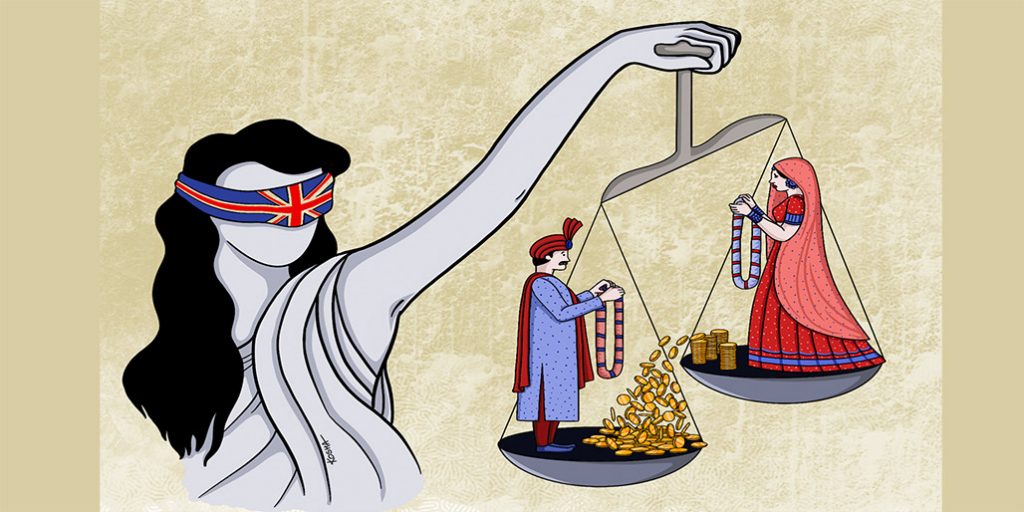
Dowry did not begin as a harmful tradition. In ancient times, it was often seen as a form of inheritance given to daughters at the time of marriage. Since women typically did not have property rights, this transfer ensured financial support in their new homes.
Over centuries, however, the system changed significantly. Instead of voluntary giving, dowry became a demand-driven practice. Families of grooms began to expect—and in some cases insist upon—large sums of money, jewelry, vehicles, or property.
This shift led to widespread social problems. Many families fell into debt to meet dowry demands, and women faced harassment, abuse, or abandonment if expectations were not fulfilled. These growing concerns pushed policymakers in India to enact the dowry prohibition act 1961 as a way to regulate and eliminate the practice.
Why a Legal Framework Became Necessary
By the mid-20th century, dowry-related issues had escalated into a national concern. Reports of domestic violence, bride burning, and financial exploitation began to surface more frequently.
A legal framework became essential for several reasons. First, it provided a clear definition of what constitutes dowry. Without such clarity, enforcement would have been inconsistent. Second, it introduced penalties, making the practice not just socially discouraged but legally punishable.
The introduction of the dowry prohibition act 1961 signaled a shift from passive disapproval to active legal intervention. It also reflected the government’s commitment to gender justice and social reform.
Understanding the Core Definition of Dowry
One of the most important aspects of the law is how it defines dowry. The term is not limited to cash transactions. It includes any property or valuable security given or agreed to be given directly or indirectly in connection with a marriage.
This broad definition ensures that individuals cannot bypass the law by disguising dowry as gifts or informal agreements. Whether the demand is made before, during, or after marriage, it falls under the scope of the legislation.
The dowry prohibition act 1961 also clarifies that even indirect demands—such as hints or expectations—can be considered offenses if they create pressure on the bride’s family.
Key Provisions That Shape the Law
Prohibition of Dowry Transactions
The central provision of the law is straightforward: giving, taking, or demanding dowry is illegal. This applies equally to both parties involved in the marriage.
This balanced approach ensures that responsibility is shared. It discourages both the demand and the willingness to comply with such demands.
Punishment and Penalties
The law prescribes strict penalties for violations. Offenders may face imprisonment, fines, or both. The severity of punishment depends on the nature and extent of the offense.
These penalties are designed not only to punish but also to deter future violations.
Ban on Advertisements
Another notable provision is the prohibition of advertisements related to dowry. Publicly offering or requesting dowry through newspapers, online platforms, or other media is considered a punishable offense.
This clause recognizes the evolving nature of communication and ensures the law remains relevant in modern contexts.
Protection of the Bride’s Property
Any gifts given during marriage must be recorded and are considered the property of the bride. This ensures that she retains control over her assets and prevents misuse by others.
Through these provisions, the dowry prohibition act 1961 establishes a comprehensive framework for addressing the issue.
Punishments and Legal Consequences Explained
The law imposes serious consequences for those found guilty of dowry-related offenses. These penalties serve both as punishment and as a deterrent.
| Offense Type | Legal Consequence |
|---|---|
| Giving or taking dowry | Imprisonment up to 5 years + fine |
| Demanding dowry | Jail term and monetary penalty |
| Advertising dowry | Imprisonment and fine |
| Misuse of bride’s property | Legal action and compensation |
The strict nature of these punishments under the dowry prohibition act 1961 reflects the seriousness of the issue and the government’s commitment to addressing it.
The Role of Law Enforcement and Judiciary
The effectiveness of any law depends on how well it is implemented. In the case of dowry-related offenses, police and judicial authorities play a crucial role.
When a complaint is filed, the police are responsible for conducting an investigation. This may involve collecting evidence, interviewing witnesses, and examining financial records.
Once the investigation is complete, the case is presented in court. Judges evaluate the evidence and determine whether the accused is guilty. If convicted, appropriate penalties are imposed.
The dowry prohibition act 1961 relies heavily on timely reporting and efficient investigation for successful enforcement.
Women’s Rights and Legal Protection
One of the most significant aspects of the law is the protection it offers to women. It empowers them to speak out against injustice and seek legal remedies.
Women have the right to file complaints if they face dowry demands or harassment. They are also entitled to protection under other related laws dealing with domestic violence and cruelty.
Additionally, any property or gifts given during marriage legally belong to the bride. This provision ensures financial security and independence.
The dowry prohibition act 1961 thus serves as a vital tool for safeguarding women’s rights and dignity.
Distinguishing Between Dowry and Gifts
A common area of confusion is the difference between dowry and voluntary gifts. While both involve the exchange of items during marriage, their nature and legality differ significantly.
Dowry is characterized by demand or expectation. It is often linked to pressure or coercion. Gifts, on the other hand, are voluntary and given out of affection or goodwill.
The law allows genuine gifts as long as they are documented and do not involve any form of demand. This distinction is crucial for understanding the scope of the dowry prohibition act 1961.
Challenges in Implementation
Despite its strong legal framework, the law faces several challenges in practice.
One major issue is social acceptance. In many communities, dowry is still viewed as a tradition rather than a crime. This mindset makes it difficult to eliminate the practice completely.
Another challenge is underreporting. Victims often hesitate to file complaints due to fear of social stigma or retaliation. This leads to many cases going unreported.
There are also instances of misuse, where false complaints are filed. While such cases are relatively rare, they can undermine the credibility of genuine claims.
Addressing these challenges is essential for improving the effectiveness of the dowry prohibition act 1961.
Impact on Society Over the Years
The law has had a noticeable impact on Indian society, though progress has been gradual.
Awareness about dowry-related issues has increased significantly. Educational campaigns, media coverage, and legal literacy programs have contributed to this change.
At the same time, the practice has not been completely eradicated. In some regions, it continues in subtle or disguised forms.
The dowry prohibition act 1961 has played a crucial role in initiating change, but societal transformation requires sustained effort.
How to File a Dowry Complaint
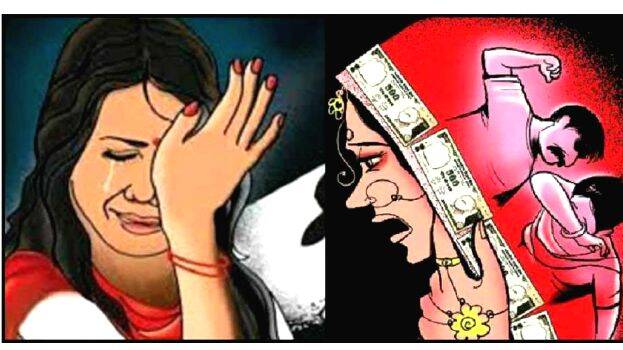
Filing a complaint is an important step for victims seeking justice. The process typically begins with registering a First Information Report (FIR) at a police station.
It is important to provide detailed information, including dates, incidents, and any evidence available. This may include messages, financial records, or witness statements.
Legal assistance can be helpful in navigating the process. Lawyers can provide guidance on documentation and court procedures.
Support services such as women’s helplines and NGOs also play a vital role in assisting victims.
Preventive Measures and Social Responsibility
While laws are essential, prevention is equally important. Families and communities must take responsibility for eliminating dowry practices.
Promoting awareness is a key step. Educating young people about the legal and ethical implications can help change attitudes over time.
Encouraging simple and meaningful marriages can also reduce the emphasis on financial transactions. Refusing to participate in dowry practices sends a strong message.
The success of the dowry prohibition act 1961 ultimately depends on collective action and social change.
FAQs About Dowry Laws in India
What is considered dowry under the law?
Any property or valuable security given or demanded in connection with marriage is considered dowry.
Is it illegal to give dowry voluntarily?
Yes, even voluntary giving of dowry is considered an offense under the law.
What are the penalties for demanding dowry?
Demanding dowry can lead to imprisonment and fines, depending on the case.
Can complaints be filed after marriage?
Yes, complaints can be filed at any time if dowry-related harassment occurs.
Are gifts allowed during marriage?
Yes, voluntary gifts are allowed as long as they are not demanded and are properly documented.
Key Highlights for Quick Understanding
- Dowry is legally prohibited in India and punishable by law
- Both giving and taking dowry are considered offenses
- Women have legal rights to report harassment and claim property
- Strict penalties include imprisonment and fines
- Social awareness is crucial for effective implementation
Conclusion: Building a Future Without Dowry
The journey toward eliminating dowry is both legal and social. While the dowry prohibition act 1961 provides a strong legal foundation, its success depends on how individuals and communities respond to it.
Real change begins with awareness and action. Families must reject dowry demands, support victims, and promote equality in marriage. Educational institutions, media, and policymakers must continue to spread awareness and strengthen enforcement.
A society free from dowry is not just a legal aspiration—it is a moral necessity. By embracing the principles of fairness, respect, and dignity, we can move closer to a future where marriages are based on love and mutual understanding rather than financial expectations.
Read More:-Understanding Modern Marriage Costs with a Smart Dowry Tool