


Introduction
Marriage is one of the most significant social institutions across the world, shaped by traditions, customs, and cultural expectations that have evolved over centuries. Among these traditions, the concept of what is a dowry has remained both influential and controversial. It carries deep historical roots while also being at the center of ongoing social debates.
In many societies, marriage is not just a union between two individuals but also a bond between families. Economic exchanges often accompany this union, and dowry has been one such system that symbolizes wealth, status, and security. However, the meaning and implications of dowry have transformed significantly over time.
This article takes a detailed and human-centered approach to understanding dowry—its origins, purposes, impacts, and the way it is perceived in modern society. By the end, you will have a clear and balanced understanding of this complex tradition.
What Is a Dowry? Meaning and Basic Understanding
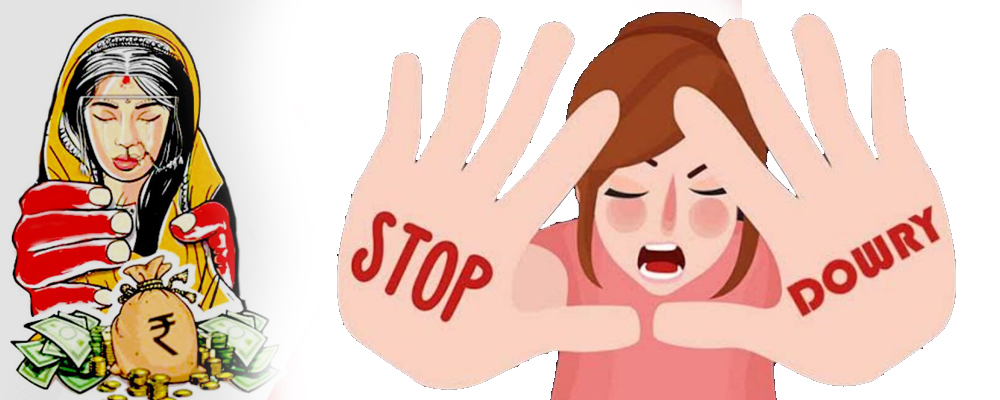
At its core, what is a dowry refers to the transfer of money, property, or valuable gifts from the bride’s family to the groom or his family at the time of marriage. Traditionally, it was meant to support the newly married couple and help them start their life together.
In earlier times, dowry was often seen as a form of inheritance given to daughters, especially in societies where women did not have equal rights to family property. It acted as financial security, ensuring that the bride had some level of economic support after marriage.
Over time, however, this concept has shifted. In some cultures, dowry has moved away from being a voluntary gift and has become an expected or even demanded practice. This shift has contributed to many social challenges, particularly in regions where gender inequality remains a concern.
Historical Evolution of Dowry Practices
The roots of dowry can be traced back thousands of years, making it one of the oldest marriage-related traditions in human history. Understanding its evolution helps explain why it continues to exist today.
In ancient civilizations such as Greece and Rome, dowry was a common practice. Families provided their daughters with wealth or goods to ensure their well-being after marriage. This transfer was often seen as a protective measure rather than an obligation.
During medieval times in Europe, dowry became closely linked to social class and alliances. Wealthy families used it as a means to secure advantageous marriages, while poorer families struggled to meet expectations. The concept gradually spread and adapted across different cultures, including South Asia.
In the Indian subcontinent, dowry became deeply embedded in social structures. Initially, it was voluntary and symbolic, but over generations, it evolved into a more rigid expectation. This transformation changed the perception of what is a dowry from a supportive gesture to a societal burden in many cases.
Cultural Significance of Dowry Across Regions
The meaning and practice of dowry vary widely depending on cultural and regional contexts. While the core idea remains similar, the way it is perceived and implemented differs significantly.
In South Asian countries, dowry often includes cash, jewelry, furniture, and household items. It is commonly viewed as a way to enhance the bride’s status within her new family. However, it can also create pressure on families to meet high expectations.
In contrast, some Middle Eastern cultures follow a different system where the groom provides a financial gift to the bride. This practice is meant to ensure her independence and security, offering a different perspective on marital exchanges.
African societies often practice “bride price,” where the groom’s family compensates the bride’s family. While this differs from dowry, it highlights how marriage-related exchanges exist in various forms worldwide.
Understanding these variations helps broaden the discussion around what is a dowry and shows that it is not a one-size-fits-all concept.
Legal Framework and Regulations
As dowry practices began to cause social and economic harm, many governments introduced laws to regulate or prohibit them. Legal frameworks aim to protect individuals, especially women, from exploitation.
In India, the Dowry Prohibition Act of 1961 made giving and receiving dowry illegal. Despite this, enforcement remains a challenge due to deep-rooted cultural acceptance. Similar laws exist in countries like Pakistan and Bangladesh.
In Western nations, dowry is not commonly practiced and is generally treated as a voluntary exchange of gifts. There are no specific laws banning it because it does not pose a widespread social issue.
Legal systems often struggle to fully address the complexities surrounding what is a dowry, especially when cultural traditions conflict with modern values.
Economic and Social Implications
The economic impact of dowry can be significant, particularly for families with limited financial resources. In some cases, parents may spend their life savings or take on debt to fulfill dowry expectations.
This financial strain can lead to long-term consequences, affecting the well-being of entire families. It may also discourage the education and empowerment of daughters, as they are perceived as financial liabilities.
Socially, dowry reinforces gender inequality by placing a monetary value on marriage. It can create an imbalance in relationships, where one side feels entitled due to the exchange of wealth.
Exploring these implications provides a deeper understanding of what is a dowry beyond its traditional definition.
Changing Perspectives in Modern Society
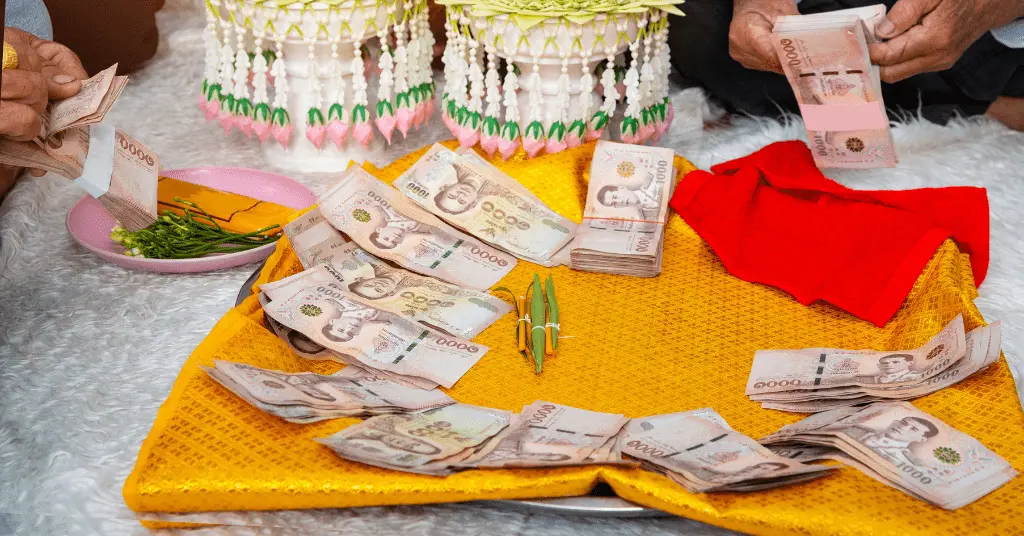
In recent years, there has been a noticeable shift in attitudes toward dowry. Many individuals and communities are actively challenging the practice and advocating for change.
Urbanization, education, and increased awareness have contributed to this shift. Younger generations are more likely to reject dowry and prioritize equality in marriage. Couples are increasingly choosing to focus on mutual respect rather than material exchanges.
Social media and public campaigns have also played a role in raising awareness about the negative effects of dowry. These efforts encourage open discussions and promote alternative ways of celebrating marriage.
The evolving perspective on what is a dowry reflects a broader movement toward fairness and social justice.
Comparison Table: Traditional vs Modern Views on Dowry
| Aspect | Traditional View | Modern View |
|---|---|---|
| Purpose | Financial support for bride | Often seen as unnecessary or harmful |
| Nature | Cultural obligation | Personal choice or rejected entirely |
| Social Perception | Symbol of status | Linked to inequality |
| Legal Standing | Historically accepted | Regulated or banned in many places |
| Impact | Mixed benefits and drawbacks | Focus on eliminating negative effects |
This comparison highlights how perceptions of what is a dowry have evolved over time.
Myths and Misconceptions
There are several misconceptions surrounding dowry that influence how people perceive it. One common belief is that dowry is always voluntary, which is not true in many cases. Social pressure often plays a significant role.
Another myth is that dowry guarantees a stable and happy marriage. In reality, it can create unrealistic expectations and lead to conflict. Some people also believe that dowry is only practiced in rural areas, but it exists in urban settings as well.
Clarifying these misconceptions is essential to understanding the true nature of what is a dowry and its impact on society.
Role of Education and Awareness
Education is one of the most powerful tools in addressing social issues like dowry. When individuals are informed about their rights and the consequences of harmful practices, they are more likely to make conscious decisions.
Educated families are often more open to rejecting dowry and embracing equality. Awareness campaigns and community programs also play a crucial role in changing mindsets.
By promoting education and awareness, society can redefine what is a dowry in a way that aligns with modern values.
Psychological and Emotional Impact
Beyond financial and social aspects, dowry can also have psychological effects. The pressure to meet expectations can cause stress and anxiety for families, especially those with limited resources.
For brides, dowry-related issues can affect self-esteem and emotional well-being. In extreme cases, disputes over dowry can lead to serious conflicts within families.
Understanding these emotional dimensions adds another layer to the discussion of what is a dowry.
Efforts Toward Social Reform
Governments, organizations, and individuals are working together to address the challenges associated with dowry. Legal measures, awareness campaigns, and community initiatives aim to reduce its prevalence.
Non-governmental organizations often provide support to victims of dowry-related issues and advocate for stronger enforcement of laws. Educational institutions also play a role in promoting gender equality.
These efforts are gradually changing perceptions and encouraging society to move away from harmful traditions.
Key Highlights
- Dowry is a traditional exchange of wealth during marriage.
- It originated as a form of financial security for women.
- Over time, it has become a source of social and economic challenges.
- Modern perspectives increasingly reject or reform the practice.
Frequently Asked Questions (FAQs)
What is a dowry in simple words?
A dowry is money, property, or gifts given by the bride’s family to the groom’s family during marriage.
Why was dowry introduced?
It was originally meant to provide financial support and security to the bride after marriage.
Is dowry still practiced today?
Yes, it is still practiced in some regions, although many people are working to eliminate it.
Is dowry illegal?
In several countries, including India, dowry is illegal, but enforcement varies.
How can society stop dowry practices?
Through education, awareness, legal enforcement, and changing social attitudes.
Conclusion: Building a More Equal Future
The discussion around what is a dowry goes beyond tradition—it reflects the values and priorities of society. While it once served practical purposes, its modern implications often conflict with principles of equality and fairness.
Change does not happen overnight, but it begins with awareness and conscious choices. Families, communities, and individuals all have a role to play in challenging outdated practices and promoting healthier alternatives.
Choosing respect, understanding, and partnership over material expectations can transform the way marriages are perceived. By taking small but meaningful steps, society can move toward a future where relationships are built on mutual trust rather than financial transactions.
Support dowry-free marriages, spread awareness, and encourage conversations that promote equality.
Read More:-Understanding Marriage Traditions and Financial Gifts in Society