


Introduction: Understanding India’s Top Investigation Body
India’s criminal justice system relies on multiple agencies, but when a case becomes too complex, politically sensitive, or spread across states, a specialized institution steps in. The central bureau of investigation is often seen as the highest-level investigative authority dealing with corruption, financial crimes, and serious criminal matters.
This agency is not just another police unit; it represents a centralised mechanism designed to ensure fairness and neutrality in cases where local law enforcement may face limitations. Over the years, it has built a reputation for handling high-profile scandals, corporate frauds, and sensitive criminal investigations that attract national attention.
What makes it even more significant is its role in bridging the gap between law enforcement and the judiciary. Its findings often become the backbone of legal proceedings in special courts.
Historical Evolution and Foundation of the Institution
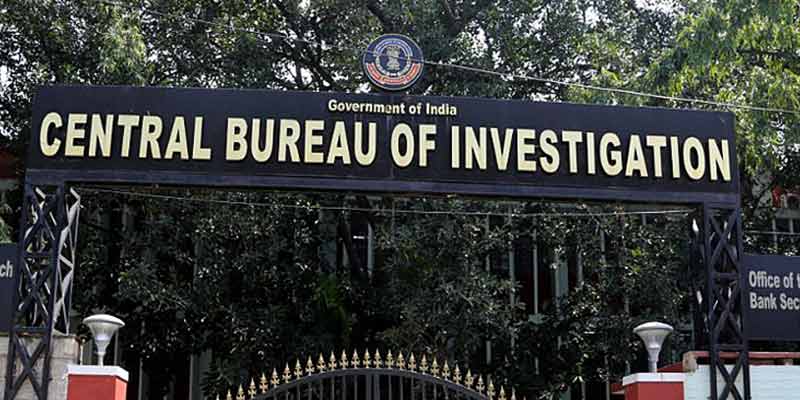
The origin of India’s premier investigative body can be traced back to wartime needs during British rule, when corruption in supply chains and government contracts required a dedicated enforcement unit. After independence, this structure evolved to meet the growing demands of a democratic nation.
Initially functioning as a small special investigation unit, it gradually expanded its scope to include economic offenses, corruption cases, and inter-state criminal investigations. Over time, it became a central institution responsible for handling complex cases that required independence and technical expertise.
The formation of the central bureau of investigation marked a turning point in India’s law enforcement history, establishing a unified system for tackling serious crimes that extended beyond local jurisdiction.
Its evolution reflects India’s changing governance needs, especially as the economy expanded and crimes became more sophisticated.
Organizational Structure and Operational Framework
The structure of the agency is designed to ensure specialization, hierarchy, and accountability. At the top is the Director, who oversees all operations and policy decisions. Below this level, the organization is divided into multiple specialized wings.
These include anti-corruption divisions, economic offenses units, cybercrime cells, and special crime branches. Each unit focuses on a specific type of investigation, allowing officers to develop expertise in their respective domains.
Field officers conduct on-ground investigations, supported by forensic experts, legal advisors, and technical analysts. This multi-layered structure ensures that investigations are thorough and evidence-based.
The central bureau of investigation also coordinates with other national and international agencies when cases involve cross-border elements or complex financial networks.
Jurisdiction and Legal Authority Explained
Unlike state police forces, this agency does not have automatic jurisdiction across India. It requires consent from state governments or directives from courts to initiate investigations in most cases.
However, once authorized, it has extensive powers to conduct searches, arrests, raids, and interrogations. It can also gather financial records, digital evidence, and witness statements to build a comprehensive case.
Its legal authority is derived from special legislation and government notifications, making it a unique hybrid between a federal investigative agency and a court-monitored institution.
The central bureau of investigation operates under strict legal frameworks to ensure transparency and accountability in its operations.
Types of Cases Handled by the Agency
The agency handles a wide variety of cases, each requiring different investigative approaches.
Corruption cases are among the most common, involving bribery, misuse of power, and financial irregularities within government departments. Economic offenses include banking frauds, corporate scams, and large-scale financial manipulation.
It also investigates serious criminal cases such as murder conspiracies, terrorism-related incidents, and organized crime networks. In addition, it plays a major role in court-monitored investigations where impartiality is essential.
In all these categories, the central bureau of investigation is expected to maintain neutrality and rely heavily on evidence-based procedures.
Major Investigative Process and Step-by-Step Functioning
Investigations follow a structured and systematic process to ensure accuracy and fairness.
The process begins with case registration after approval from competent authorities. Once registered, a team is assigned based on the nature of the crime.
Evidence collection is the next stage, where documents, digital records, and physical proof are gathered. This is followed by interrogation of suspects and witnesses to establish facts.
Forensic analysis plays a critical role in validating evidence, especially in financial and cybercrime cases. Finally, a detailed charge sheet is prepared and submitted to court for trial proceedings.
The central bureau of investigation follows this structured approach to ensure that investigations withstand judicial scrutiny.
Famous Cases That Shaped Public Awareness
Over the years, several landmark cases have brought national attention to the agency. These include major corruption scandals involving high-ranking officials, corporate frauds affecting financial markets, and politically sensitive criminal investigations.
Such cases often test the agency’s credibility, efficiency, and independence. While some investigations have been widely praised, others have sparked debates about delays or external influence.
Despite criticism, these cases have significantly shaped public understanding of how complex criminal investigations are handled at the national level.
Comparison of Investigation Systems in India
| Feature | State Police System | Central Investigation Agency |
|---|---|---|
| Jurisdiction | Limited to state boundaries | Nationwide (with approval) |
| Case Complexity | General crimes | High-profile & complex cases |
| Resources | Local-level infrastructure | Advanced forensic & national support |
| Expertise | General policing skills | Specialized investigative expertise |
| Oversight | State government control | Judicial and central oversight |
This comparison highlights how different systems complement each other within India’s law enforcement framework.
Role in Anti-Corruption and Governance
One of the most important responsibilities is investigating corruption within government institutions. This includes cases of bribery, misuse of authority, and financial mismanagement.
By holding officials accountable, the agency plays a key role in strengthening transparency and public trust in governance. However, such cases are often sensitive and require careful handling due to political implications.
The central bureau of investigation is often seen as a watchdog in cases where internal accountability systems fail or require external intervention.
Technological Advancements in Modern Investigations
Modern crime has evolved with technology, and so has investigative methodology. Today, digital forensics, data analytics, and cyber tracking play a major role in solving cases.
The agency now uses advanced tools for tracing financial transactions, analyzing digital footprints, and recovering deleted data. Cybercrime units are especially important in dealing with online fraud and hacking cases.
These advancements have made investigations faster and more precise, allowing better outcomes in complex cases.
Challenges Faced in Real-World Investigations
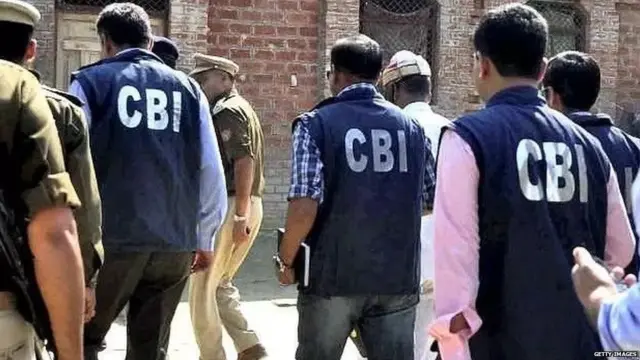
Despite its authority, the agency faces several operational challenges. Political pressure, jurisdictional limitations, and delayed judicial processes often affect investigation timelines.
Resource constraints and increasing case complexity also add to the workload of officers. Public expectations in high-profile cases further increase pressure on the system.
The central bureau of investigation must continuously balance legal boundaries, political neutrality, and investigative efficiency while handling sensitive matters.
Reforms and Structural Improvements
To address these challenges, several reforms have been introduced over time. These include improved training programs, digital transformation of investigation systems, and enhanced forensic capabilities.
Coordination with international agencies has also improved, especially in cases involving financial crimes and cross-border investigations. These reforms aim to modernize the agency and improve efficiency.
India’s top investigative institution plays a central role in handling corruption, financial frauds, and major criminal cases that require neutral and specialized investigation.
Public Perception and Media Influence
Public perception of the agency is shaped heavily by media coverage. High-profile cases often attract national attention, influencing how people view its effectiveness.
While many see it as a symbol of justice, others raise concerns about delays or political influence in certain cases. This dual perception reflects the complexity of its responsibilities.
The reality is that investigative outcomes often depend on legal, procedural, and evidentiary factors rather than public expectation alone.
Future of Criminal Investigation in India
The future of criminal investigation is likely to be heavily technology-driven. Artificial intelligence, blockchain tracking, and predictive analytics are expected to play a bigger role.
As crimes become more digital and global, investigative agencies will need to adapt quickly to stay effective. Training, modernization, and international cooperation will be key.
The central bureau of investigation is expected to evolve further into a highly tech-enabled investigative body in the coming years.
FAQs
What does this agency mainly investigate?
It handles corruption, financial frauds, serious crimes, and complex multi-state cases.
Can it investigate any case in India?
No, it requires state consent or court orders in most situations.
Is it part of the police system?
It operates independently but works closely with police and courts.
Does it handle cybercrime cases?
Yes, especially advanced financial frauds and digital crimes.
Why is it important in India’s legal system?
It ensures impartial investigation in sensitive and high-profile cases.
Conclusion: Why This Institution Remains Crucial
The role of the central bureau of investigation in India’s justice system is both powerful and complex. It serves as a neutral investigative authority for cases that go beyond the capacity of local law enforcement.
From corruption probes to major financial scandals, its work directly impacts governance, public trust, and judicial outcomes. While challenges like political pressure and jurisdictional limitations exist, ongoing reforms and technological upgrades continue to strengthen its capabilities.
In a rapidly changing legal and technological landscape, its importance is only expected to grow. Understanding its structure and functioning helps citizens appreciate how serious criminal investigations are conducted at the national level and why impartiality in justice remains essential.
Read More:-Complete Guide to Restitution of Marital Rights Under Hindu Law Explained